Worldbuilding cards: keep your notes on the map
Notes scattered across documents drift away from the places they describe. A card attached to each place keeps the two in step.
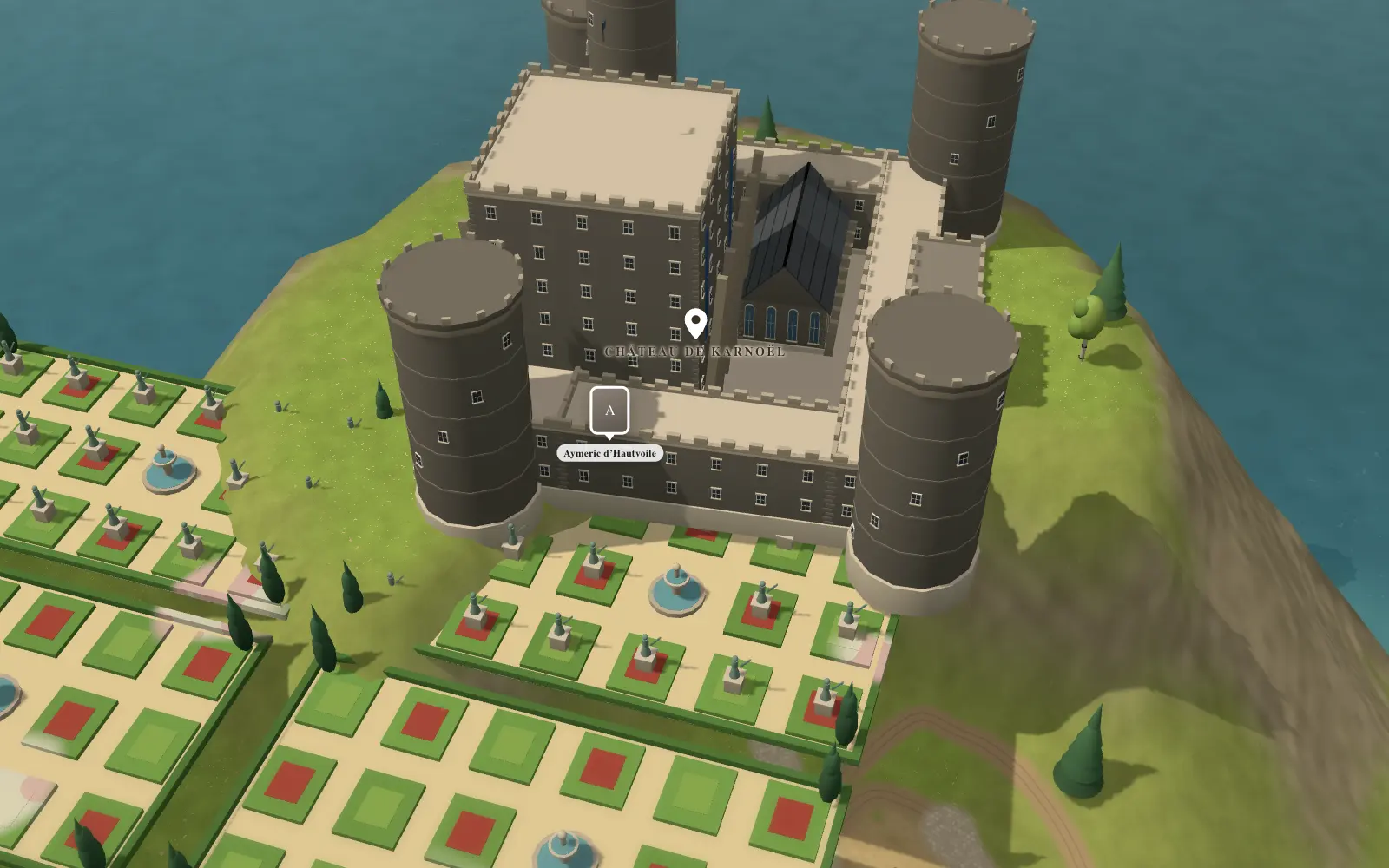
What a place card is for
A card is the record of one place: its history, its geography, the people you meet there. It answers the question you will ask yourself in a year: what did I decide about this town? In Mapella the cards live on the map, so you open the place and read the record.
What to put on a card
- Name and variants: the official name, nicknames and older names.
- Type and region: a port, a border fortress, a market town, and the region that holds it.
- Geography: terrain, water, climate, what the approach looks like.
- History: three or four events that explain the present, dated in your own calendar.
- People: who rules, who lives there, one detail that makes them particular.
- Senses: what a visitor sees, hears and smells in the first minute.
- In the book: the chapters that visit it, and what happens there.
How much is enough
Write what a scene could need and what a reader could ask. A one paragraph card for a village that appears once is enough, and the long cards belong to the places your story returns to.
A common trap in worldbuilding is writing ten thousand words about a kingdom that appears for two pages. On a map this is easy to see: places with no card are the ones you have not needed yet.
Link people to places
Characters belong to places. Note where each main character was born, where they live and which journeys they make. When a character’s home sits on the map, you quickly notice that they cannot be in two cities on the same day.
Keep cards honest with the manuscript
A card that contradicts the book is worse than no card. When you revise a chapter, open the place and fix the card. If you work chapter by chapter, add a line to each card saying which chapter it was last checked against.
How this differs from a wiki
A wiki such as World Anvil is built to hold a whole world in articles, with timelines, calendars and families. If you need that, it is a good choice, and its interactive maps link pins to your articles. Mapella starts from the other end: the map comes first, and the cards are short records attached to its places. Pick the one that matches how you think. The comparison lists the differences as we see them.
In Mapella
The free plan includes five worldbuilding cards and one banner. The Cartographer plan has unlimited cards. See pricing for the details.
Questions
- Does Mapella have cards for characters too?
- Yes. Mapella has place and character cards, both linked to the map.
- How many cards do I need?
- As many as your story visits. Start with the places where the main scenes happen and add the rest when a chapter needs them.